
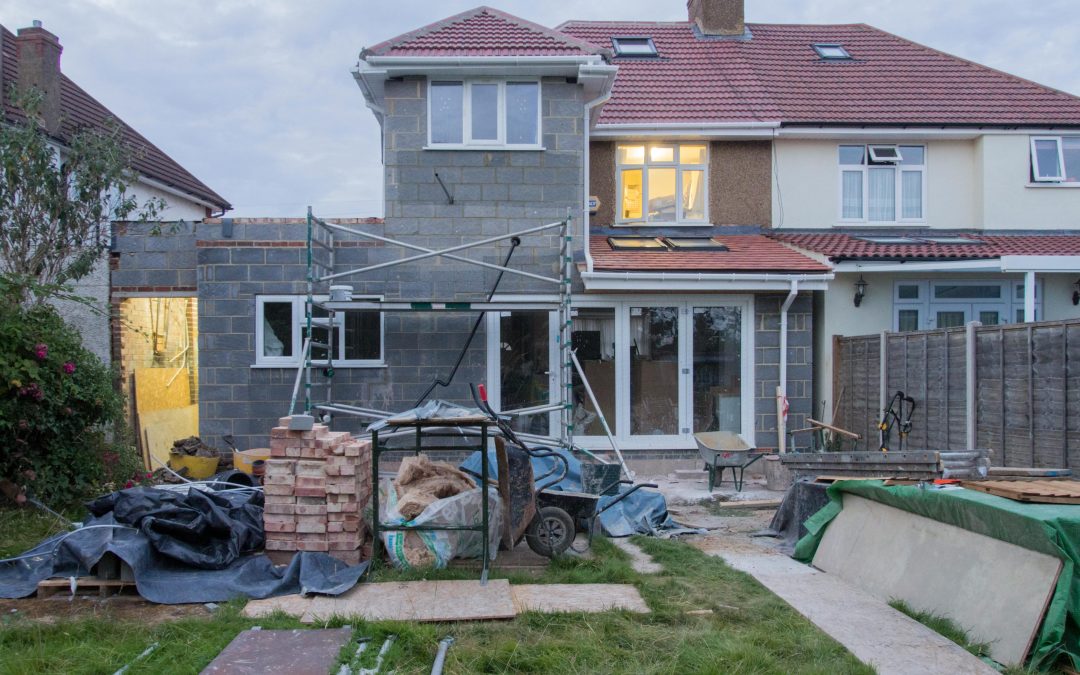
Need more space but not ready to dive into a full-scale renovation? You’re not alone. Home additions can quickly get expensive, but the good news is there are several ways to expand your living space without spending a fortune. If you’ve been wondering what is the cheapest home addition, this guide is here to walk you through the most cost-effective options.
Let’s look at seven practical and creative ideas that can help you get the extra room you need—without blowing your budget.
1. Finishing a Basement or Attic
If your home has an unfinished basement or attic, you’re already halfway there. These spaces often have the structure in place—you just need to finish the walls, flooring, lighting, and insulation.
Finishing a basement can cost anywhere from $25 to $50 per square foot, depending on materials and layout. Attics are slightly more complex due to insulation and access, but they can still be a smart investment.
This is one of the cheapest home additions because you’re building within the home’s existing footprint.
2. Garage Conversions
Have a garage you barely use for cars? Converting it into a living area, office, or small guest suite is often much cheaper than building from scratch.
Garage conversions usually cost less than full additions because the structure already exists. You just need to add insulation, flooring, drywall, and maybe HVAC depending on your climate.
If you’re looking to add square footage fast, this is one of the most affordable ways to do it.
3. Bump-Out Additions
A bump-out is a small extension to an existing room, usually adding only 2 to 8 feet of space. It’s perfect for expanding a cramped kitchen, adding a window seat, or giving your bathroom a little more elbow room.
Because it’s small and doesn’t require a separate foundation, a bump-out can cost as little as $5,000 to $15,000—making it a strong contender when asking what is the cheapest home addition.
4. Prefab or Modular Additions
Prefabricated rooms or modular additions are built off-site and then installed onto your home. These can include sunrooms, guest suites, or even mini-offices.
Since much of the labor is done in a factory, costs stay lower and timelines are faster. You’ll still need a foundation and some finish work, but overall, prefab options are often more budget-friendly than traditional builds.
5. Enclosed Patios or Sunrooms
If you already have a covered porch or patio, enclosing it with windows and insulation can be a relatively low-cost way to gain extra usable space. Sunrooms often cost less than $20,000 and can be used year-round if properly insulated.
It’s not quite the same as a full room addition, but it can give you that extra relaxation zone, reading nook, or hobby space you’ve been dreaming about.
6. Shed-to-Office Conversions
Backyard sheds have gotten a serious upgrade in recent years. Many homeowners are converting pre-built sheds into home offices, workout studios, or guest rooms.
A high-quality shed costs a fraction of a full home addition and can be customized with electricity, insulation, and even a small bathroom. This is especially useful if you’re working from home and need a quiet spot without sacrificing indoor space.
7. Room Dividers or Sliding Walls
Sometimes, you don’t need to add square footage—you just need to better use the space you have. Installing sliding doors, room dividers, or even a half-wall can turn a large room into two functional areas.
This approach can cost as little as a few hundred dollars and completely change the way you use your home. It’s an ideal option for adding a small bedroom, office space, or play area without major construction.
What to Consider Before Starting
Before choosing any home addition, take a few things into account:
Your local building codes and permit requirements
Whether your HVAC system can handle the added space
How the addition will affect your home’s resale value
Whether you’ll need plumbing or electrical work
Your timeline and seasonal weather conditions
Always get multiple quotes and consult with a licensed contractor or builder. They can help you decide which option fits your space, your budget, and your long-term goals.
Final Thoughts
So, what is the cheapest home addition you can make? The answer depends on your existing space and what you’re hoping to achieve. But in general, finishing a basement, converting a garage, or adding a small bump-out are some of the most affordable ways to expand your home.
With a little planning and the right help, you can add space, increase your home’s value, and make your living area feel more open and functional—without spending a fortune.