
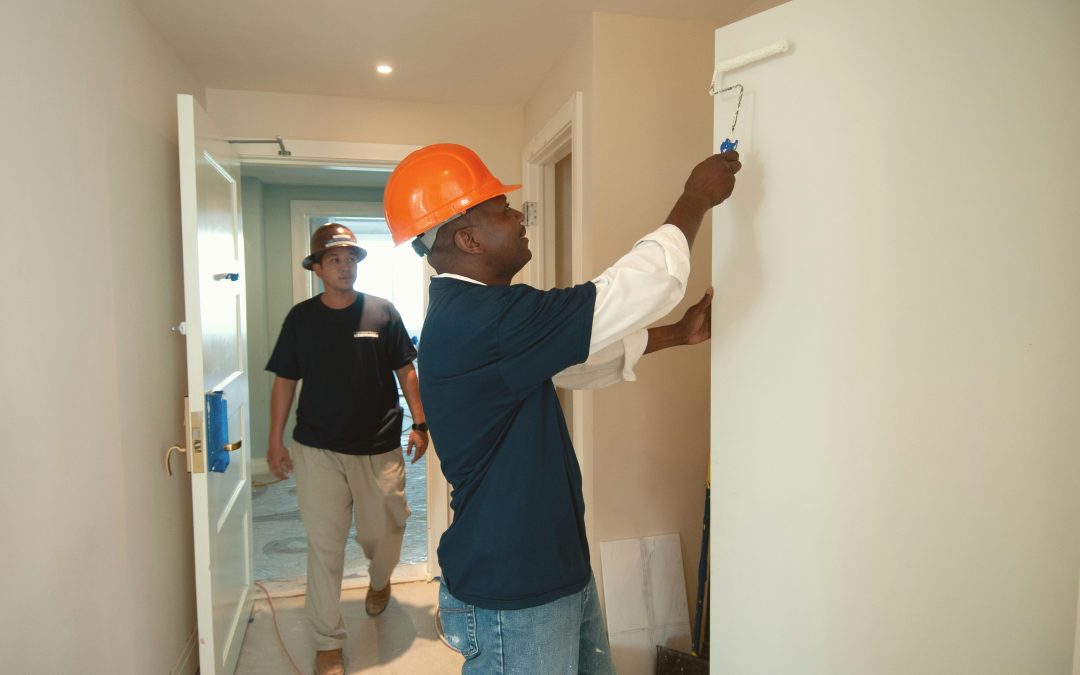
Anyone who has gone through a home renovation knows the process can quickly become chaotic. Dust spreads everywhere, timelines get delayed, and one contractor’s work often interferes with another’s schedule. In many cases, the problem is not the work itself. It is poor coordination between construction and painting teams.
That is why understanding how to coordinate painting and construction work so projects finish faster with less mess can save homeowners time, money, and stress. When both parts of a project are planned together instead of separately, the entire renovation process becomes smoother and far more efficient.
According to a report from the Project Management Institute, poor scheduling and communication are among the leading causes of construction delays worldwide. Even small residential projects can experience setbacks when tasks are not properly organized.
The good news is that with the right planning, many common renovation headaches can be avoided.
Why Coordination Matters in Renovation Projects
Painting and construction work are closely connected. One affects the other at nearly every stage.
For example:
- Drywall repairs often need painting afterward
- New trim installation requires touch-up painting
- Flooring projects can affect wall preparation
- Electrical work may damage freshly painted surfaces
Without coordination, work may need to be repeated, which wastes time and increases cleanup.
This is exactly why learning how to coordinate painting and construction work so projects finish faster with less mess is so valuable for homeowners and contractors alike.
Start With a Detailed Project Timeline
Every successful renovation begins with a clear schedule.
A proper timeline should include:
- Demolition dates
- Structural work phases
- Electrical and plumbing updates
- Drywall installation and repairs
- Surface preparation
- Painting stages
- Final cleanup and inspections
By mapping everything out early, contractors can avoid overlapping tasks that create unnecessary delays or damage.
Complete Structural Work Before Painting Begins
One of the most common renovation mistakes is painting too early.
Construction tasks like:
- Framing
- Drywall cutting
- Ceiling repairs
- Flooring installation
create dust, debris, and accidental wall damage.
Painting should typically happen after major construction work is complete. This reduces the need for repainting or touch-ups later.
Communicate Clearly Between Contractors
Good communication keeps projects moving smoothly.
Contractors should regularly discuss:
- Timeline changes
- Material deliveries
- Workspace access
- Surface readiness
- Cleanup responsibilities
Even small misunderstandings can delay progress.
Homeowners benefit greatly when teams coordinate directly instead of working independently.
Protect Surfaces Before Work Starts
One major part of how to coordinate painting and construction work so projects finish faster with less mess is protecting finished areas properly.
This includes using:
- Plastic sheeting
- Drop cloths
- Floor coverings
- Painter’s tape
- Dust barriers
Protective measures help prevent paint spills, scratches, and dust buildup throughout the home.
Schedule Dust-Creating Tasks Early
Dust is one of the biggest challenges in renovation work.
Activities like:
- Sanding drywall
- Cutting wood
- Tile demolition
- Concrete drilling
should happen before painting whenever possible.
This minimizes contamination on freshly painted walls and reduces cleanup time.
Use Separate Work Zones
Dividing the home into designated work areas helps control mess and confusion.
For example:
- One zone for active construction
- One zone for painting preparation
- One clean zone for finished work
This organization keeps crews from interfering with each other and helps maintain progress.
Coordinate Material Deliveries Carefully
Late or poorly timed deliveries can create clutter and slow down work.
Good scheduling ensures:
- Paint arrives when surfaces are ready
- Construction materials do not block painting access
- Tools and supplies stay organized
This helps maintain workflow and keeps the project site safer.
Surface Preparation Is Critical
Painting quality depends heavily on preparation.
Before painting begins, contractors should ensure:
- Walls are fully repaired
- Surfaces are sanded smoothly
- Dust is removed completely
- Moisture issues are resolved
Skipping prep work often leads to poor paint adhesion and uneven finishes.
Plan Painting in Logical Stages
Professional painters usually work in a specific order.
Typical painting sequence includes:
- Ceilings first
- Walls second
- Trim and doors last
This process reduces accidental drips and touch-ups.
When coordinated properly with construction crews, painters can move efficiently through each stage without interruptions.
Ventilation Helps Reduce Odors and Drying Delays
Proper airflow matters during painting projects.
Ventilation helps:
- Paint dry faster
- Reduce lingering odors
- Improve indoor air quality
- Prevent moisture buildup
Construction crews and painters should coordinate window access and fan placement during this stage.
Daily Cleanup Keeps Projects Under Control
Mess builds up quickly during renovations.
Daily cleanup routines should include:
- Vacuuming dust
- Removing debris
- Organizing tools
- Covering unfinished surfaces
A cleaner workspace improves safety and efficiency for everyone involved.
This is another important part of how to coordinate painting and construction work so projects finish faster with less mess.
Why Professional Coordination Saves Money
Poor coordination often leads to:
- Repainting costs
- Material waste
- Project delays
- Extra labor expenses
Well-organized projects reduce these risks and improve overall efficiency.
In many cases, investing in better planning actually lowers total renovation costs.
Technology Makes Coordination Easier
Many contractors now use digital tools to manage projects.
These tools help track:
- Schedules
- Progress updates
- Material orders
- Inspection dates
- Team communication
This keeps everyone informed and reduces confusion throughout the project.
Homeowner Tips for Smoother Renovations
Homeowners can also help improve coordination by:
- Finalizing paint colors early
- Keeping decision-making timely
- Removing valuables from work areas
- Communicating concerns clearly
- Asking for regular progress updates
Being proactive helps avoid last-minute delays.
Conclusion
Home renovation projects do not have to feel overwhelming or chaotic. With proper scheduling, communication, and preparation, painting and construction teams can work together efficiently while minimizing delays and mess.
Understanding how to coordinate painting and construction work so projects finish faster with less mess helps homeowners create a smoother renovation experience from beginning to end. From careful timelines and dust control to organized work zones and daily cleanup, every detail contributes to a cleaner, faster, and more successful project.
Good coordination does not just improve the final result. It makes the entire renovation process far less stressful for everyone involved.