
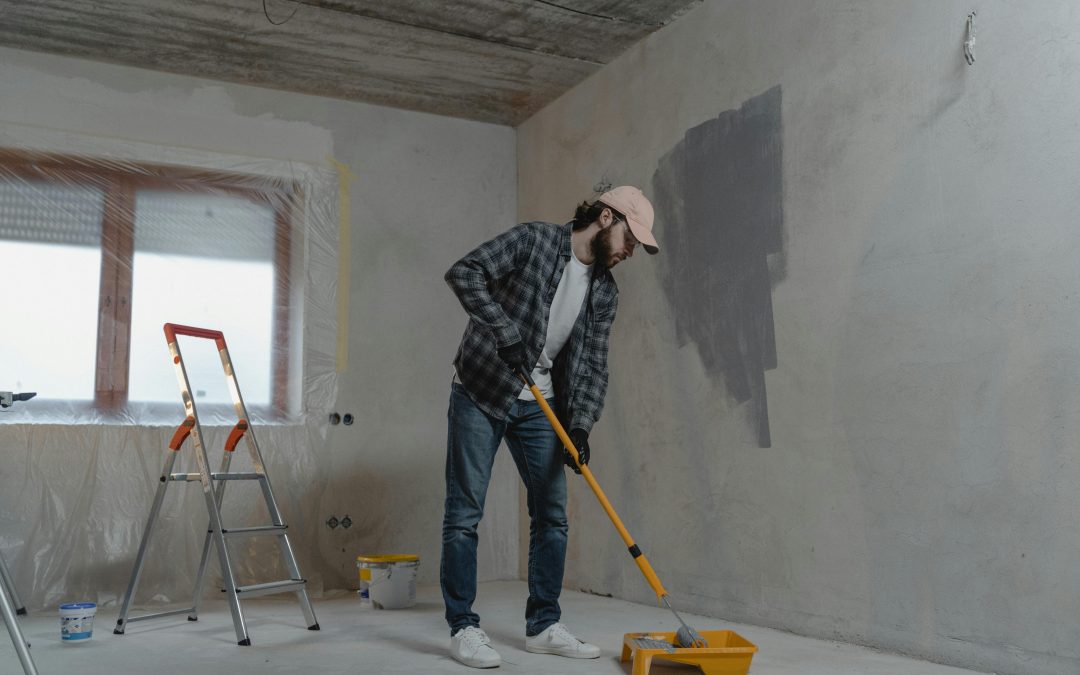
Updating the look of a commercial space can dramatically improve its appeal and create a more welcoming environment for clients and employees. However, painting large areas efficiently while maintaining quality can feel overwhelming. That is why painting commercial interiors efficiently is essential for businesses looking to save time and minimize disruption.
From small offices to large retail spaces, a strategic approach ensures the project stays on schedule, costs are controlled, and the final result looks professional.
Why Efficiency Matters in Commercial Painting
Commercial spaces often have tight schedules and specific operating hours. Delays can disrupt work, reduce productivity, and increase costs. According to the Painting and Decorating Contractors of America, well planned projects can reduce labor costs by up to 20 percent and minimize downtime for businesses.
By focusing on efficiency, businesses can:
- Complete projects faster without sacrificing quality
- Reduce disruption to employees and customers
- Control material and labor costs
- Achieve consistent, professional results
Planning Your Painting Project
The key to efficiency starts before the first coat of paint. Careful planning sets the stage for a smooth project.
Steps include:
- Conducting a thorough assessment of walls, ceilings, and trim
- Measuring square footage to calculate paint quantities
- Selecting colors, finishes, and quality paints
- Creating a detailed timeline to coordinate with business operations
A well organized plan helps teams execute work without unnecessary delays, which is essential for painting commercial interiors efficiently.
Preparing the Space Properly
Proper preparation is crucial for speed and a flawless finish. Skipping steps often leads to touch ups and delays.
Preparation tasks include:
- Moving or covering furniture and equipment
- Cleaning walls and repairing minor damage
- Taping edges, baseboards, and trim
- Laying drop cloths to protect floors
Thorough preparation makes the painting process smoother and reduces mistakes that require rework.
Choosing the Right Materials
Selecting the right paints and tools improves both efficiency and quality.
Consider:
- High quality, durable paints for heavy traffic areas
- Low VOC or odor free paints for office environments
- Rollers and brushes appropriate for wall textures
- Sprayers for large, open areas to save time
Investing in professional grade materials helps achieve consistent results faster when painting commercial interiors efficiently.
Using Effective Painting Techniques
How you apply paint can make a significant difference in speed and finish.
Some effective techniques include:
- Rolling large areas with long handled rollers for faster coverage
- Cutting in edges and corners first before rolling walls
- Using a consistent technique to prevent streaks or uneven coats
- Applying multiple thin coats instead of one thick coat for better durability
Combining proper tools and techniques ensures a smooth finish and minimizes the need for corrections.
Organizing Your Team
Team coordination is critical for larger commercial projects. Efficient workflow reduces downtime and overlaps.
Tips include:
- Assigning clear roles to team members
- Dividing large areas into sections to prevent overlap
- Scheduling breaks to maintain consistent progress
- Communicating regularly to address challenges quickly
A well organized crew can dramatically improve productivity and overall project efficiency.
Scheduling Around Business Hours
Minimizing disruption is a top priority for commercial clients. Scheduling work strategically ensures that painting does not interfere with operations.
Ideas for scheduling include:
- Painting after hours or on weekends for high traffic areas
- Using temporary barriers to separate work zones from active areas
- Staggering sections so parts of the space remain functional
- Coordinating with other renovations to avoid conflicts
This approach helps maintain a professional environment while painting commercial interiors efficiently.
Maintaining Safety and Cleanliness
Efficiency should never come at the expense of safety. A clean, organized worksite prevents accidents and keeps projects on track.
Safety and cleanliness measures include:
- Wearing personal protective equipment
- Using ladders and scaffolding properly
- Keeping tools organized and out of walkways
- Disposing of paint waste and debris responsibly
A safe work environment ensures productivity stays high and prevents delays due to accidents.
Inspecting and Touching Up
Even with efficient work, final inspections are necessary. Minor touch ups ensure the finished space meets expectations.
Steps include:
- Checking walls and trim for missed spots
- Ensuring consistent coverage and clean edges
- Touching up high traffic areas or corners as needed
- Cleaning tools and removing protective coverings carefully
Inspection guarantees that the investment in painting commercial interiors efficiently delivers a polished, professional look.
Benefits of Efficient Commercial Painting
When done properly, efficient commercial painting provides benefits beyond aesthetics.
- Reduced downtime and business disruption
- Lower labor and material costs
- Improved employee morale and client impressions
- Longer lasting finishes that require less maintenance
Efficiency ultimately enhances both the appearance and functionality of the commercial space.
Final Thoughts on Efficient Painting
Successfully painting commercial interiors efficiently requires planning, preparation, quality materials, and skilled execution. By organizing teams, selecting the right products, and using proven techniques, businesses can achieve professional results without unnecessary delays. Efficient painting saves time, reduces costs, and creates inviting spaces for employees and clients alike. With careful attention to workflow, safety, and scheduling, any commercial painting project can be completed smoothly and effectively.