
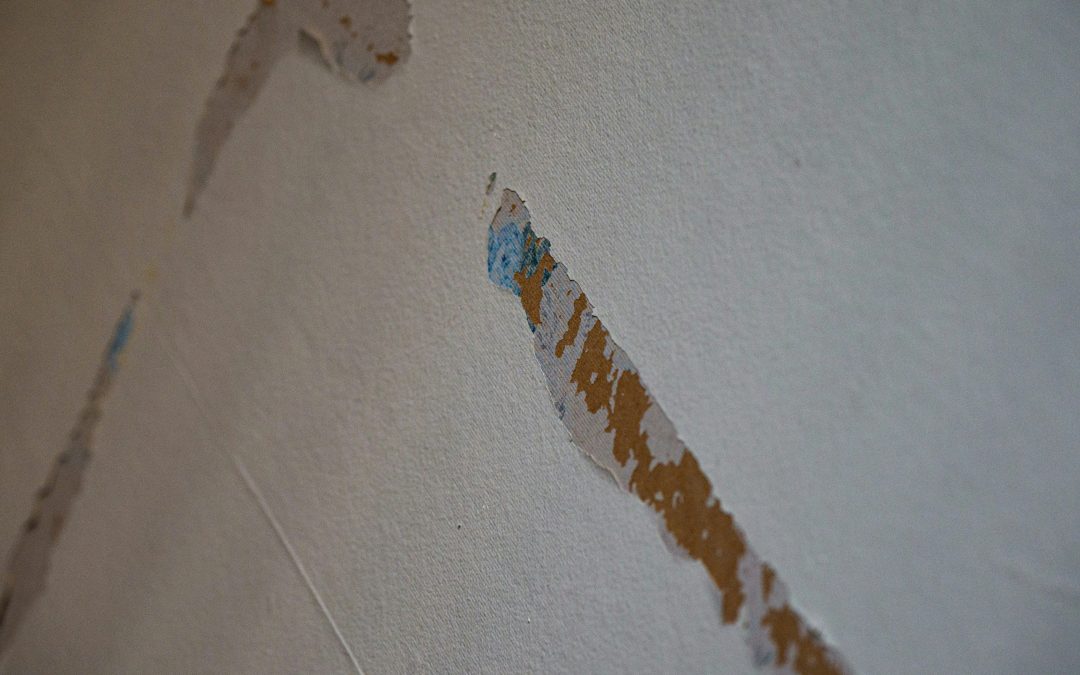
Removing wallpaper can be a daunting task, especially if you want to preserve the paint underneath. Many homeowners wonder, how to remove wallpaper from wall without damaging paint. With the right tools, techniques, and a bit of patience, you can achieve a clean, smooth surface ready for a fresh coat of paint or new wallpaper.
Why Careful Wallpaper Removal Matters
Wallpaper removal isn’t just about taking off the old design. Doing it carelessly can:
- Peel off paint along with the wallpaper.
- Leave adhesive residue that’s hard to clean.
- Damage the wall surface, leading to extra repairs.
By learning proper methods, you save time, money, and effort while protecting your walls.
Tools You’ll Need
Before starting, gather the following items:
- Plastic scraper or putty knife
- Sponge or cloth
- Bucket of warm water
- Wallpaper removal solution or vinegar mixture
- Spray bottle or garden sprayer
- Drop cloths or plastic sheeting
- Rubber gloves for protection
Having the right tools makes the process smoother and reduces the risk of damaging paint.
Step-by-Step Guide to Remove Wallpaper
1. Prepare the Area
Cover floors and furniture with drop cloths or plastic sheeting. Remove electrical outlet covers and switch plates. This protects your home and makes cleanup easier.
2. Test a Small Area
Before treating the entire wall, test a small hidden section. Some wallpaper types or older paints may react differently to water or solutions. Testing helps prevent accidental damage.
3. Loosen the Wallpaper
There are a few methods to loosen wallpaper adhesive:
- Steaming: A wallpaper steamer softens glue without harsh chemicals. Hold the steamer against the wall for a few seconds and gently peel.
- Warm Water Solution: Mix warm water with a few drops of dish soap. Spray or sponge onto the wallpaper, allowing it to soak in and loosen the adhesive.
- Vinegar Mixture: Combine equal parts warm water and white vinegar in a spray bottle. This is especially effective on stubborn wallpaper adhesive.
4. Start Peeling Carefully
Once the adhesive softens, begin peeling from a corner or seam. Use a plastic scraper or putty knife to lift edges gently. Avoid metal tools, which can scratch or remove paint.
5. Work in Small Sections
Treat small areas at a time to prevent the solution from drying before you can peel. Apply more solution as needed and always move slowly to protect the underlying paint.
6. Remove Residual Adhesive
Even after peeling, some glue may remain. Use a sponge or cloth with warm water and mild soap to gently rub away residue. For stubborn spots, apply the vinegar solution, wait a few minutes, then wipe clean.
7. Clean and Inspect the Walls
After all wallpaper and adhesive are removed, rinse the walls with clean water to remove any leftover solution. Let the walls dry completely. Inspect for damage or spots where paint may need touch-ups before repainting or applying new wallpaper.
Tips to Avoid Damaging Paint
- Always test solutions on a small area first.
- Use plastic scrapers instead of metal tools.
- Work slowly and patiently to prevent peeling paint.
- Avoid soaking walls excessively, especially with older or water-sensitive paint.
- Consider hiring a professional if the wallpaper has multiple layers or is very old.
Alternative Methods
For some wallpapers, especially older or vinyl-coated types, professional tools like electric wallpaper removers or commercial adhesive solvents may be more effective. These tools allow precise removal without excessive water or scraping, reducing the risk of paint damage.
Conclusion
Learning how to remove wallpaper from wall without damaging paint requires patience, the right tools, and gentle techniques. By preparing your space, testing solutions, and working methodically, you can remove old wallpaper while keeping your painted walls intact. With careful attention, your walls will be smooth, clean, and ready for a fresh look, whether you’re repainting or installing new wallpaper.