
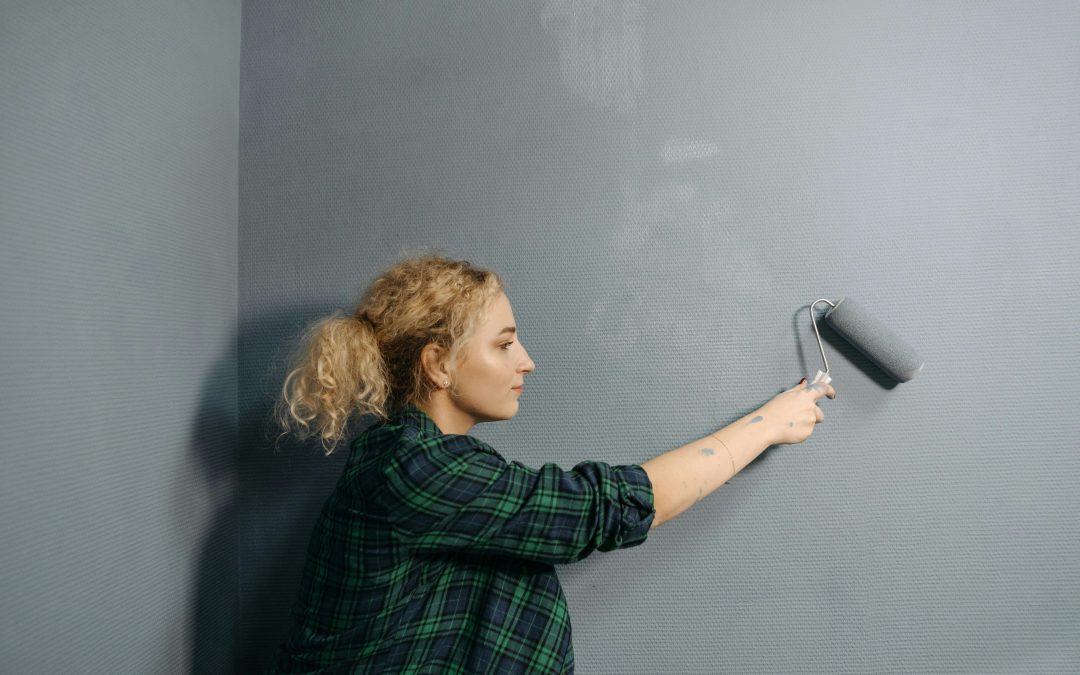
And one of the easiest ways to boost the look of any room is with a fresh coat of paint. But the question remains: how often should you repaint walls? While it’s tempting to assume paint lasts forever, there are some things to consider when deciding how often to break out the brushes and rollers.
Let’s dive into this topic and find out how to keep your walls looking their best.
Why Timing Matters
You’ve probably noticed that over time, the paint on your walls may begin to fade, chip, or show signs of wear. But when exactly is the right time to repaint? Here’s a fun fact: the average homeowner typically repaints their walls every 5-7 years. However, this can vary depending on several factors such as room usage, the type of paint used, and environmental factors like humidity.
How Often Should You Repaint Walls in Different Rooms?
Not all rooms are created equal. High-traffic areas, like kitchens and hallways, may need more frequent touch-ups, while bedrooms and living rooms might last longer.
Living Rooms and Bedrooms
For spaces with lighter usage, a repaint every 5-7 years is usually sufficient. If your walls are exposed to direct sunlight, you might notice fading sooner, especially with lighter colors.
Kitchens
Your kitchen is where spills, splatters, and moisture are a constant presence. It’s not uncommon for kitchens to need a new coat of paint every 3-5 years, especially near cooking areas or on walls that are frequently wiped down.
Bathrooms
Bathrooms are notorious for humidity, which can lead to mold or peeling paint. Depending on ventilation and moisture levels, it’s a good idea to repaint your bathroom every 3-4 years to maintain a fresh look.
Hallways and Entryways
Since these areas experience a lot of foot traffic, you’ll likely need to repaint every 2-3 years. High-traffic zones can quickly lose their luster due to constant brushing against walls, so regular touch-ups will keep them looking pristine.
Factors That Affect How Often You Should Repaint
You may be wondering, Why does it vary so much between rooms? Here are some factors that play a role in how quickly your paint wears out:
- Foot Traffic: Hallways and common areas experience more wear and tear, leading to faster fading.
- Sunlight: UV rays can cause colors to fade, especially in rooms with lots of natural light.
- Humidity: As mentioned, bathrooms and kitchens suffer from moisture, which can cause paint to deteriorate faster.
- Quality of Paint: Not all paints are made equal. Higher-quality paints with a better finish can last longer than cheaper alternatives.
- Color Choice: Darker colors tend to show wear and tear more than light shades, making touch-ups more noticeable.
How to Know When It’s Time for a Repaint
While some wear and tear is inevitable, here are some signs that it’s time to grab a paintbrush:
- Peeling or Chipping: If the paint is coming off in patches, it’s time for a fresh coat.
- Fading: When colors start to look dull, repainting will bring vibrancy back to the room.
- Stains: Certain marks, like grease or stains from kids and pets, may be impossible to remove. A fresh coat of paint will make your walls look brand new.
- Visible Cracks or Holes: Cracks in the paint often signal underlying issues. Repairing these spots can ensure a smooth and clean finish.
What Happens If You Don’t Repaint Regularly?
It may seem like a hassle to repaint your walls, but if you ignore the task for too long, you might face a bigger problem. Over time, unmaintained walls can start to deteriorate, showing signs of mildew, cracks, and even damage from moisture. The longer you wait, the more expensive repairs can become.
Tips for Extending the Life of Your Paint Job
No one wants to repaint their walls more often than necessary. So, here are some easy tips to help extend the life of your paint job:
- Use high-quality paint: Spending a little more on durable, long-lasting paint will save you money in the long run.
- Apply a second coat: A well-applied second coat will help your paint last longer and cover any imperfections.
- Clean your walls regularly: Dust and dirt can cause discoloration over time, so a quick wipe down can keep things fresh.
- Use appropriate finishes: Semi-gloss or satin finishes are easier to clean, making them perfect for kitchens and bathrooms.
Conclusion: Keep Your Walls Beautiful and Fresh
So, how often should you repaint walls? Ultimately, it depends on the room, usage, and environmental factors. As a general rule of thumb, aim to repaint living areas every 5-7 years, kitchens and bathrooms every 3-5 years, and hallways more frequently due to heavy traffic. But the best indicator is the state of your walls—peeling, fading, and stains are signs it’s time to refresh.
Keeping your home’s walls painted not only enhances the look but also protects the integrity of your space. So, whether you’re freshening up a bedroom or sprucing up a busy kitchen, a little maintenance goes a long way in maintaining a vibrant, inviting home.