
Introduction
If you have ever watched a large building being painted, whether it is a commercial complex, apartment block, or industrial facility, you might wonder how everything gets done without endless delays. After all, painting a single room can take a weekend, so how do massive projects stay organized and finish on time?
The answer lies in planning, coordination, and disciplined execution. Understanding how large painting projects stay on schedule reveals that success is less about painting speed and more about preparation and project management.
According to the Project Management Institute, nearly 11 percent of projects fail due to poor planning and scheduling issues, which shows how critical proper organization is in large-scale work. In painting projects, where weather, surface conditions, and manpower all matter, scheduling becomes even more important.
Let’s break down how professionals keep these large projects running smoothly.
Detailed Pre-Project Planning
Every successful painting project starts long before the first brush touches a wall. Planning is where timelines are created and potential problems are identified early.
Key planning steps include:
- Site inspection and surface evaluation
- Estimating total square footage
- Identifying required materials and coatings
- Determining weather risks for outdoor work
- Creating a phased work schedule
This stage sets the foundation for everything that follows. Without it, delays become almost inevitable.
Proper planning is the backbone of how large painting projects stay on schedule, because it helps teams anticipate challenges instead of reacting to them.
Accurate Material and Resource Forecasting
Running out of paint or supplies mid-project can cause major delays. That is why material forecasting is carefully managed.
This includes:
- Calculating exact paint quantities
- Ordering materials in advance
- Preparing backup supplies for unexpected needs
- Ensuring tools and equipment availability
Large projects often involve multiple coatings such as primers, base coats, and protective finishes, so precision in estimation is essential.
Workforce Coordination and Scheduling
Labor management plays a huge role in keeping painting projects on track. Large jobs require coordinated teams working in shifts or zones.
Typical strategies include:
- Dividing workers into specialized crews
- Assigning specific zones or floors
- Using staggered shifts to maximize productivity
- Ensuring skilled supervision at each stage
According to construction industry reports, poor labor coordination is one of the leading causes of project delays, which highlights the importance of structured workforce planning.
This is a key part of how large painting projects stay on schedule because even the best materials cannot compensate for poor coordination.
Breaking the Project into Phases
Large painting projects are never done all at once. Instead, they are divided into manageable phases.
Common phases include:
- Surface preparation and cleaning
- Priming and sealing
- Base coat application
- Detail finishing and touch-ups
- Final inspection and correction
Each phase has its own timeline and checkpoints. This makes it easier to track progress and avoid bottlenecks.
Breaking work into phases is one of the most effective techniques in how large painting projects stay on schedule.
Weather Monitoring for Outdoor Projects
For exterior painting, weather is one of the biggest scheduling factors. Rain, humidity, and extreme temperatures can all delay progress.
Professionals typically:
- Monitor weather forecasts daily
- Schedule exterior work during stable conditions
- Pause work during high humidity or rain
- Adjust timelines based on seasonal patterns
Paint needs proper drying conditions to adhere correctly, so rushing in bad weather can lead to rework and further delays.
Surface Preparation Efficiency
Surface preparation often takes longer than the actual painting, especially in large projects.
Tasks include:
- Cleaning walls and removing debris
- Repairing cracks and imperfections
- Sanding and smoothing surfaces
- Applying primer coatings
According to industry estimates, preparation can account for up to 40 percent of total project time, which is why it must be carefully scheduled.
Efficient preparation is essential for maintaining momentum in how large painting projects stay on schedule.
Use of Advanced Equipment and Technology
Modern painting projects rely heavily on equipment that speeds up work without compromising quality.
Common tools include:
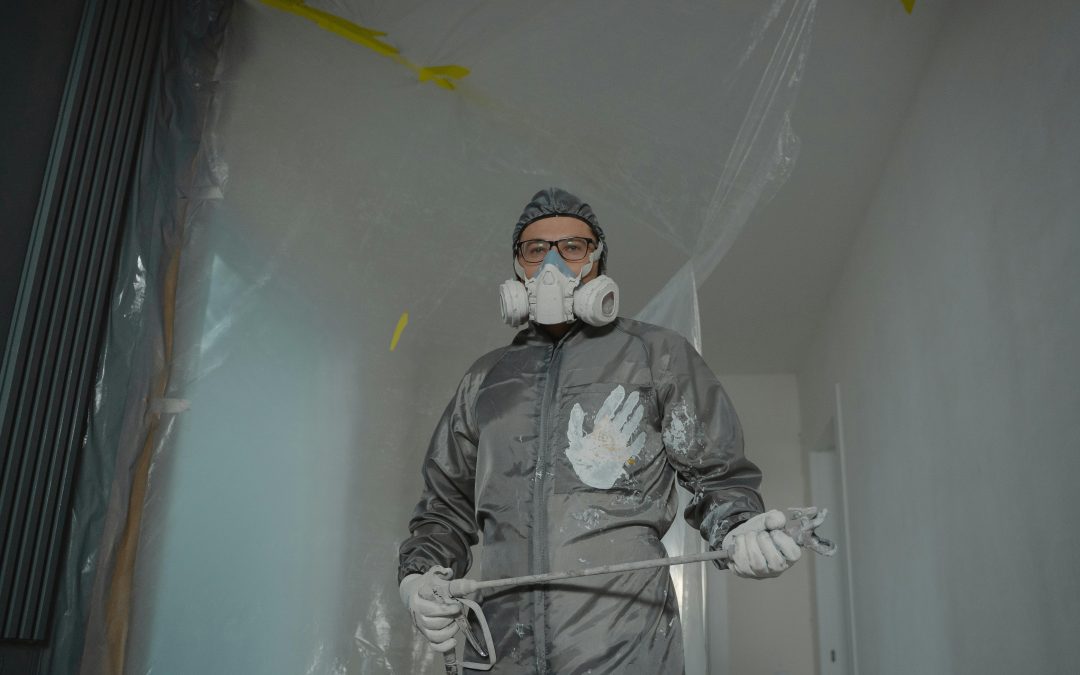
- Spray painting systems for large surfaces
- Scaffolding and lift systems for high areas
- Digital project tracking software
- Laser measuring tools for accuracy
Technology helps reduce manual errors and improves efficiency across all stages of the project.
Real-Time Progress Tracking
Monitoring progress is critical in large-scale painting jobs. Without tracking, delays can go unnoticed until it is too late.
Project managers often use:
- Daily progress reports
- On-site inspections
- Digital scheduling tools
- Milestone-based tracking systems
This allows teams to make quick adjustments if any part of the project falls behind.
Communication Between Teams
Clear communication is one of the most overlooked but essential parts of project scheduling.
Effective communication ensures:
- Workers know daily goals and priorities
- Problems are reported immediately
- Adjustments are made quickly
- No overlap or wasted effort occurs
Even small miscommunications can lead to delays, especially in large, multi-team projects.
Quality Control Without Delays
Maintaining quality while staying on schedule is a balancing act. Rushing can lead to mistakes, but over-checking can slow progress.
To manage this, teams use:
- Stage-by-stage inspections
- On-the-spot corrections
- Dedicated quality control supervisors
- Final walkthroughs after each phase
This ensures that work moves forward without sacrificing standards.
Contingency Planning for Unexpected Issues
Even with perfect planning, unexpected problems can arise.
Common issues include:
- Weather delays
- Material shortages
- Equipment breakdowns
- Surface damage discovered mid-project
To handle this, professionals always include buffer time in schedules and maintain backup resources.
Contingency planning is a major reason how large painting projects stay on schedule even when challenges appear.
Conclusion
Large painting projects may look smooth from the outside, but behind the scenes they rely on careful planning, coordination, and constant monitoring. Every stage, from surface preparation to final inspection, is timed and managed to prevent delays.
Understanding how large painting projects stay on schedule shows that success is not about rushing work. It is about structured planning, teamwork, and flexibility when challenges arise.
When these elements come together, even the biggest painting projects can be completed efficiently, on time, and with high-quality results that last.