
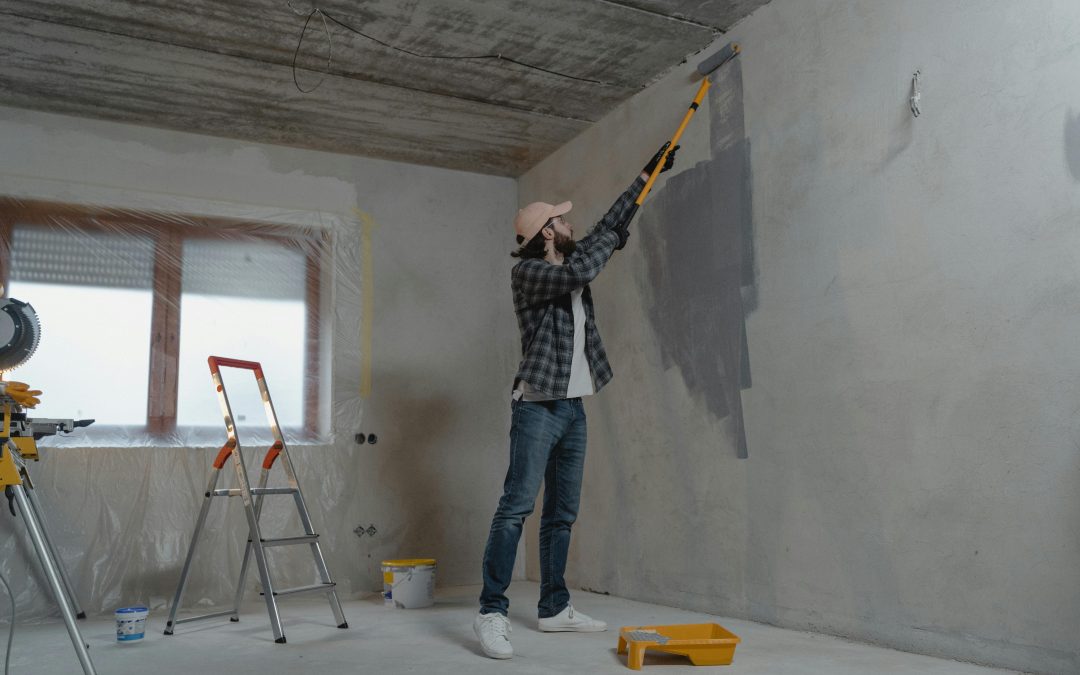
If you have ever walked into a freshly painted office, retail store, or warehouse and felt that instant sense of professionalism, you already understand the power of commercial painting. A clean, well-painted space sends a message. It tells customers you care. It tells employees they are valued. And it quietly supports your brand every single day.
But if you are wondering how commercial painting works behind the scenes, you are not alone. Many business owners know they need it, yet they are unsure what the process actually involves. Let us break it down in a simple, friendly way so you can understand what really happens from the first call to the final coat.
What Is Commercial Painting and Why It Matters
Before diving into how commercial painting works, it helps to understand what makes it different from residential painting.
Commercial painting focuses on business properties such as:
- Offices
- Retail stores
- Restaurants
- Warehouses
- Hospitals
- Schools
- Industrial facilities
These spaces are often larger, busier, and subject to stricter safety standards than homes. That means commercial painters must work efficiently, follow regulations, and use specialized equipment.
According to the U.S. Bureau of Labor Statistics, there are over 370,000 painters employed in the United States, and many of them work in commercial and industrial settings. This shows just how essential painting services are in maintaining business infrastructure.
Commercial painting is not just about color. It is about durability, safety, branding, and long-term maintenance.
The Initial Consultation and Site Assessment
The first step in understanding how commercial painting works is the consultation phase.
A professional contractor will usually visit your property to:
- Inspect the current condition of surfaces
- Identify damage such as cracks, peeling, or moisture issues
- Measure square footage
- Discuss your timeline
- Review color choices and finishes
This stage is more important than many people realize. For example, painting a warehouse ceiling is very different from painting a hotel lobby. The tools, paint types, and safety measures can vary significantly.
The contractor may also ask about:
- Business hours
- Customer traffic
- Industry regulations
- Ventilation and environmental concerns
All of this helps them create a detailed proposal and project plan.
Surface Preparation Is the Real Secret
If you ask professionals what truly determines the quality of a paint job, many will say preparation.
Surface preparation often includes:
- Cleaning walls to remove dust, grease, or mold
- Scraping off old peeling paint
- Sanding rough areas
- Filling cracks and holes
- Applying primer where needed
In commercial settings, this step can be extensive. For example, industrial facilities may require power washing or abrasive blasting to remove corrosion.
Skipping preparation can shorten the lifespan of the paint dramatically. The Painting Contractors Association emphasizes that proper prep directly impacts adhesion and durability. In other words, the better the prep, the longer your investment lasts.
So when you look at how commercial painting works, remember that much of the work happens before the first visible coat goes on.
Choosing the Right Paint and Materials
Not all paint is created equal. Commercial projects often require specific coatings designed for heavy use.
Depending on the environment, contractors may choose:
- Low VOC paints for indoor air quality
- Epoxy coatings for warehouse floors
- Fire resistant coatings for compliance
- Anti mold or moisture resistant paints for humid areas
Low VOC paints are especially important in offices and schools. The Environmental Protection Agency explains that volatile organic compounds can affect indoor air quality. Many modern commercial paints are designed to minimize these emissions while still delivering durability.
This step is where professional guidance really matters. The wrong paint can peel, stain, or fade quickly in high traffic areas.
Scheduling and Minimizing Disruption
One of the biggest concerns business owners have is downtime. After all, time is money.
A key part of how commercial painting works involves strategic scheduling. Many contractors offer:
- Night shifts
- Weekend work
- Phased painting by section
- Flexible timelines
For example, a retail store might have walls painted after closing hours. An office building might be painted floor by floor to keep operations running smoothly.
Good planning ensures that employees can continue working and customers are not inconvenienced.
The Painting Process Step by Step
Now we get to the part most people picture.
Here is a simplified version of the application stage:
- Protecting furniture, floors, and equipment with covers
- Taping edges and trim for clean lines
- Applying primer if required
- Applying one or more coats of paint
- Allowing proper drying time between coats
- Inspecting for touch ups
Commercial painters often use a combination of brushes, rollers, and spray equipment. Sprayers are especially useful in large areas because they provide even coverage and save time.
Safety is also a major factor. In tall buildings or warehouses, painters may use lifts or scaffolding. They follow OSHA safety standards to reduce risks during the job.
This structured process is central to understanding how commercial painting works efficiently and safely.
Quality Control and Final Inspection
Once painting is complete, the project is not automatically finished.
Professional contractors will conduct a walkthrough inspection to check for:
- Uneven coverage
- Drips or streaks
- Missed spots
- Clean edges and corners
You as the business owner are usually invited to review the results. If anything needs adjustment, touch ups are completed before final approval.
This final stage ensures that the result matches the original proposal and meets quality expectations.
Maintenance and Long Term Value
Commercial painting is not just a one time task. It is part of building maintenance.
High traffic areas may need repainting every few years. Exterior paint may require refreshing due to weather exposure. According to industry estimates, quality exterior commercial paint can last five to ten years depending on climate and surface type.
Regular inspections help you catch small issues before they become expensive repairs. For example, peeling paint on exterior metal surfaces can lead to corrosion if left untreated.
When you understand how commercial painting works, you also see that it is an investment in protecting your property.
How to Choose the Right Commercial Painting Contractor
Since the process involves multiple steps, choosing the right contractor is crucial.
Here are a few practical tips:
- Verify licensing and insurance
- Ask for references from similar businesses
- Review past project photos
- Request a detailed written estimate
- Confirm safety compliance
Clear communication matters too. A good contractor will explain timelines, materials, and potential challenges in simple language.
Final Thoughts on How Commercial Painting Works
At first glance, commercial painting might seem like a straightforward task. However, once you look closer, you see that it involves careful planning, detailed preparation, specialized materials, and strategic scheduling.
Understanding how commercial painting works helps you make smarter decisions for your business. It allows you to budget properly, choose the right contractor, and set realistic expectations.
A well executed paint job does more than improve appearance. It protects your property, supports your brand image, and creates a comfortable environment for both customers and employees.
If you are considering a commercial painting project, start with a clear assessment of your needs and timeline. Then partner with experienced professionals who understand the full process from preparation to final inspection. When done right, commercial painting becomes one of the most cost effective ways to upgrade your business space.